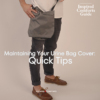
A practical guide for wheelchair users with indwelling catheters or urinary diversions — the bag mounting, the daily logistics, the discreet cover, the bathroom transfers, and the small choices that compound. Sourced from Spina Bifida Association, United Spinal Association, and consistent feedback from wheelchair-user communities.
For wheelchair users with bag drainage, the logistics differ from ambulatory users: bag mounting (under-seat, side-mount, or leg-mount), accessibility for emptying without standing, choosing the right size for full-day capacity, and the wardrobe choices that integrate with the chair. Below: each consideration, plus the specific products and arrangements wheelchair users describe consistently.
The mounting question
Under-seat mounting (large overnight bag)
A large bag (1500-2000ml) hung under the chair. Hidden completely; doesn’t show on the leg. Requires bag-hanger attachment to chair frame. Ideal for non-mobile or limited-mobility users.
Leg-bag with thigh strap
Smaller bag (500-1000ml) strapped to the thigh. Familiar leg-bag setup. Works for active wheelchair users; less under-seat clutter; can stand for transfers if able.
Side-mount on chair
Bag attached to the chair frame on the side, often inside a fabric pouch. Combines accessibility and discretion. Works for users with reach to that side.
Daily logistics
| Task | How wheelchair users describe |
|---|---|
| Emptying | Sit on the chair; tilt or lean to access the drain valve; into a container or toilet |
| Bag changes (every 5-7 days) | Plan ahead; have second bag pre-attached; switch in the bathroom |
| Cleaning | Daily: wipe drain valve; weekly: deeper clean per protocol |
| Hydration management | Pace fluids; bag size matches your typical 4-6 hour fluid output |
| Transfers | Bag stays mounted; lift the body, leave the bag |
The wardrobe
— composite of recurring sentiment in wheelchair user communities
Bathroom logistics
What helps daily life
| Item | Why |
|---|---|
| Bag holder / hanger that attaches to chair | Stable mounting; freedom to move |
| Custom pouch / cover | Discretion |
| Backup bags in the wheelchair bag | Always have spare |
| Small towel | For accidents |
| Hand sanitizer | Hygiene |
| Leg straps in multiple sizes | Adjust as needed |
| Anti-friction cream | Prevent skin irritation under straps |
The recovery clothing piece
For wheelchair users with bags, fabric pouches and side-snap pants work well. Inspired Comforts urine bag covers and side-snap pants serve this combination.
FAQ
Sources
- Spina Bifida Association — spinabifidaassociation.org
- United Spinal Association — unitedspinal.org
- Urology Care Foundation — urologyhealth.org