A practical travel planner for indwelling catheter / urinary diversion patients — what to pack, how to handle airport security, what to plan for on the plane, and the in-destination logistics. Sourced from Urology Care Foundation patient resources, TSA disability-accommodation guidance, and consistent feedback from indwelling catheter patient communities.
Traveling with a urine bag is logistically more involved but absolutely doable. The 7 layers: extra supplies (more than you think), pre-flight bag emptying, knowing the airport disability process, choosing aisle seats near the bathroom, planning destination supply availability, packing a “what if” emergency kit, and discreet drainage logistics during the trip itself. Below: each layer.
Pre-trip planning
2x what you think you need
Pack 2x the catheters, drainage bags, leg bags, secure-tape, and cleaning supplies you’d normally use. Delays happen. Bags rip. Calculations underestimate. 2x is the standard recommendation across patient communities.
Letter from urologist for security and customs
A simple letter on letterhead: “[Patient name] has an indwelling urinary catheter and may carry medical supplies including catheters, drainage bags, and saline.” Useful for TSA, international customs, hotel housekeeping questions.
Empty bag right before boarding; pack absorbent towel; wear leg bag
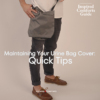
Empty in the airport bathroom right before boarding. Wear a leg bag (vs. larger overnight bag) for the flight — discreet under loose pants. Pack a small absorbent towel in the carry-on for any spills. A fabric bag cover reads as an accessory rather than equipment — useful in a security line.
Airport security
| Step | What to do |
|---|---|
| Pre-arrival | Notify TSA Cares (1-855-787-2227) for assistance if needed |
| At security | Inform officer you have a medical device; show letter |
| Through scanner | Most bag types pass scanner; some require visual inspection |
| Pat-down option | Available; can request private screening room |
| Liquid supplies | Medical liquids over 3.4 oz allowed with declaration |
On the plane
At the destination
Tell housekeeping NOT to enter without notice (sometimes)
Many patients prefer to manage bag contents themselves; not have housekeeping interact with anything. “Do not disturb” sign or specific request to front desk works.
Identify a clinic in case of emergency
Pre-trip: research nearest urology clinic at destination. Save number. For 7+ day trips. For international, your travel insurance helpline can help.
Plan bathroom-friendly itineraries
Some destinations have abundant accessible bathrooms; some don’t. Pre-plan; don’t strand yourself far from facilities.
— composite of recurring sentiment in indwelling catheter travel threads
The “what if” emergency kit
The recovery clothing piece
For travel: loose pants, dark colors, urine-bag covers. Inspired Comforts urine-bag covers integrate with travel wardrobes — discreet, fashion-friendly, washable.
FAQ
Sources
- Urology Care Foundation — urologyhealth.org
- TSA Cares — tsa.gov/passenger-support
- American Urological Association — auanet.org