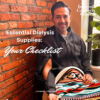
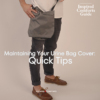
Home hemodialysis changes where you dialyze, not what your access needs: you still want tops that open at the arm or chest so you can connect without undressing, plus a setup you can sit in comfortably for hours. The upside of home is that many of the in-center rules — cold treatment rooms, dressing for a public space — simply disappear. This guide covers the wardrobe and routine adjustments that make home sessions easier.
A practical guide to the wardrobe and daily-routine adjustments specific to home hemodialysis (HHD) — including NxStage System One, Tablo, and conventional in-home machines. Sourced from Home Dialysis Central, NxStage patient resources, and consistent themes from r/dialysis HHD threads.
Home hemodialysis is dramatically more flexible than in-center dialysis: more frequent, shorter sessions (often 5 days/week, 2-3 hours each, or nocturnal at home), better outcomes, and the wardrobe loosens accordingly. The home setting means you can wear actual pajamas, your own thermostat, and your own snacks — all huge quality-of-life upgrades. The wardrobe still needs access-friendly tops, but the rest of the system relaxes. Below: the routine, the wardrobe, and the small adjustments that make HHD livable.
Why home hemodialysis is different
Per Home Dialysis Central and NxStage patient resources, HHD typically runs more frequent, shorter sessions (5x/week, 2-3 hours) than in-center dialysis (3x/week, 3-5 hours). Outcomes are generally better — improved blood pressure control, less interdialytic weight gain, fewer cardiovascular events. The trade-off: you (and a partner) become responsible for setup, cannulation, monitoring, and breakdown. The wardrobe lightens but the operational load increases.
The session routine
| Time | Activity |
|---|---|
| Pre-session (15-30 min) | Setup machine, prime lines, hand-wash, gather supplies |
| Session start | Cannulation (you or partner inserts needles) |
| Treatment (2-3 hours) | Sit, monitor, do whatever |
| Session end | Removal, hold pressure 10-15 min, dressing |
| Post-session (15-30 min) | Machine breakdown, log results, clean |
The wardrobe
Access-friendly long-sleeve OR short-sleeve top
Same upper-arm access design as in-center, but you have more flexibility. Many HHD patients wear short-sleeve tops in summer (no bunching to deal with), long-sleeve with upper-arm zip in winter. Inspired Comforts dialysis tops work; so do regular short-sleeve tees if your access is easily reached.
Pajama pants, sweatpants, athletic shorts — whatever’s comfortable
No commute, no clinic etiquette. Many HHD patients run their session in sleep shorts or pajama pants. Comfort first.
Your own thermostat means lighter layering
You control the room. Most HHD patients run their thermostat 2-3°F warmer during sessions. The fleece-stack-system from in-center isn’t needed; a single light hoodie or zip cardigan is usually enough.
Slippers or barefoot
Home means home. Slippers, fuzzy socks, barefoot — whatever’s comfortable. Slip-ons for any post-session walking.
The setup space
HHD requires a dedicated treatment area in the home. Most patients describe the optimal setup:
— composite of recurring sentiment in r/dialysis HHD threads
What changes from in-center
| Aspect | In-center | Home |
|---|---|---|
| Frequency | 3x/week | 5x/week typical (or nocturnal) |
| Duration | 3-5 hours | 2-3 hours |
| Wardrobe | Layered access-friendly system | Pajamas + access top |
| Temperature | Cold; layering required | Your thermostat; relaxed |
| Snacks | Pack-in | Whatever’s in your kitchen (within renal-diet rules) |
| Entertainment | Tablet, headphones | Your own TV, sound system, anything |
| Companions | Other patients (limited interaction) | Partner, family |
| Transportation | Drive to clinic | Walk to your chair |
| Outcomes | Standard | Generally better (more frequent = closer to natural) |
The trade-offs to know
The recovery clothing piece
For HHD, the access-friendly tops still matter — but the rest of the wardrobe relaxes. Many HHD patients buy 2-3 access-friendly tops for sessions and live in their existing pajamas and loungewear otherwise. Inspired Comforts dialysis collection serves both in-center and HHD use.
FAQ
Sources
- Home Dialysis Central — homedialysis.org
- NxStage — nxstage.com
- National Kidney Foundation — Dialysis
- NIDDK — Hemodialysis